REPAIR
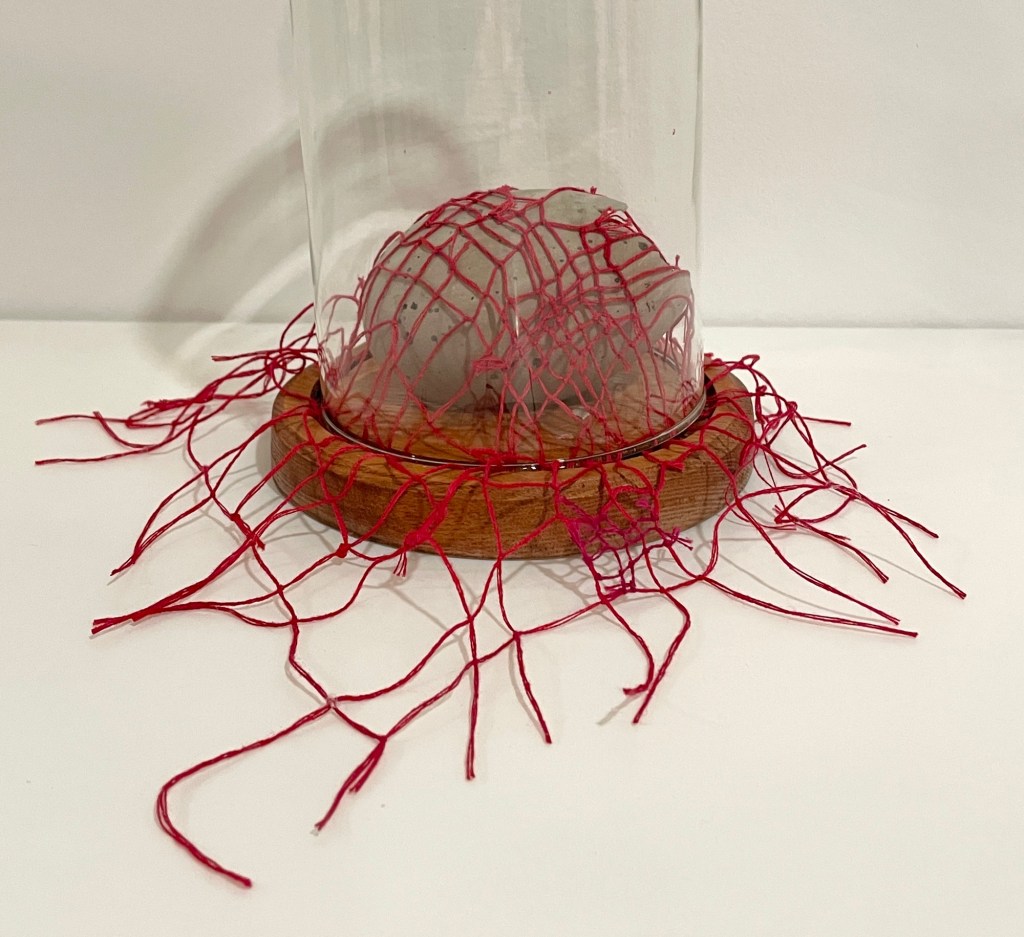


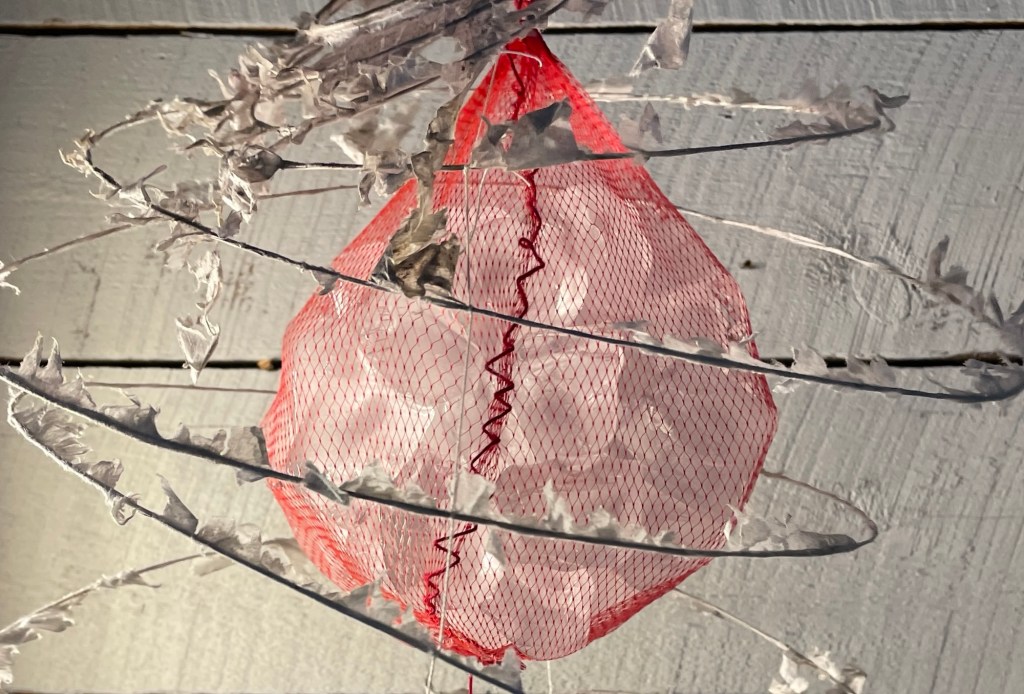
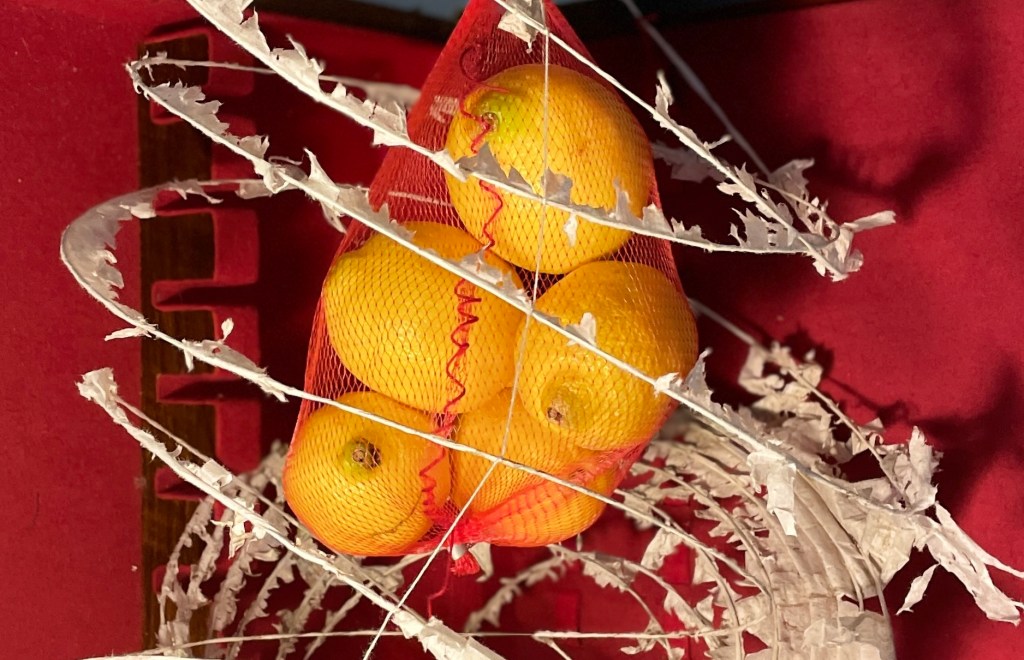
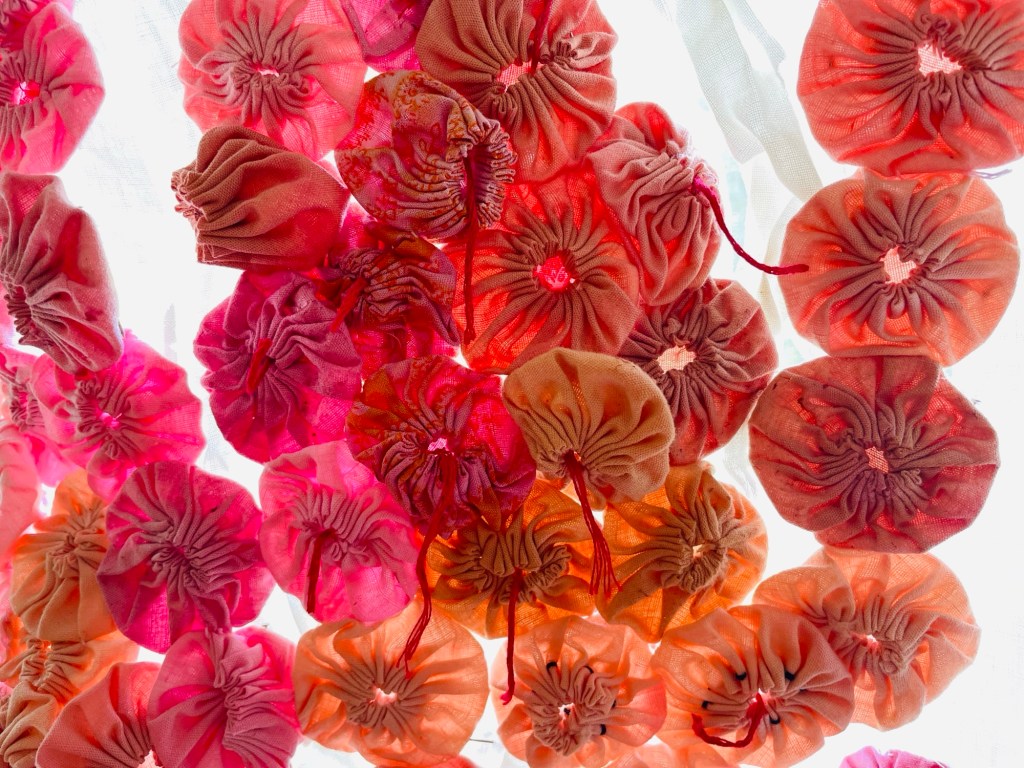
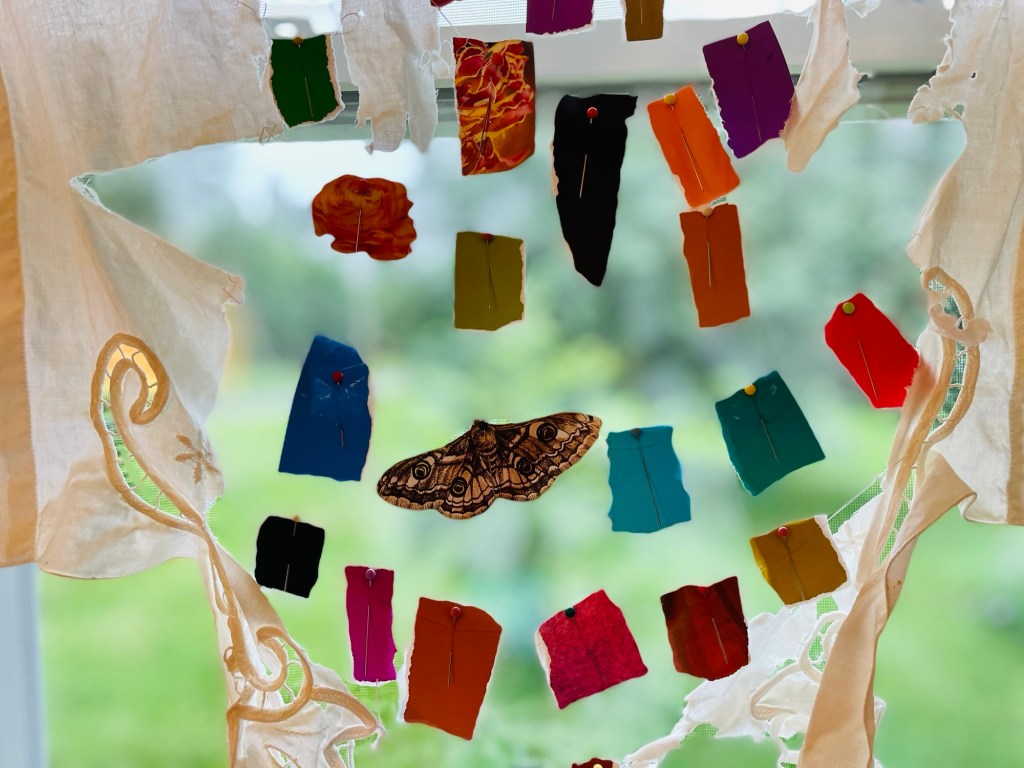


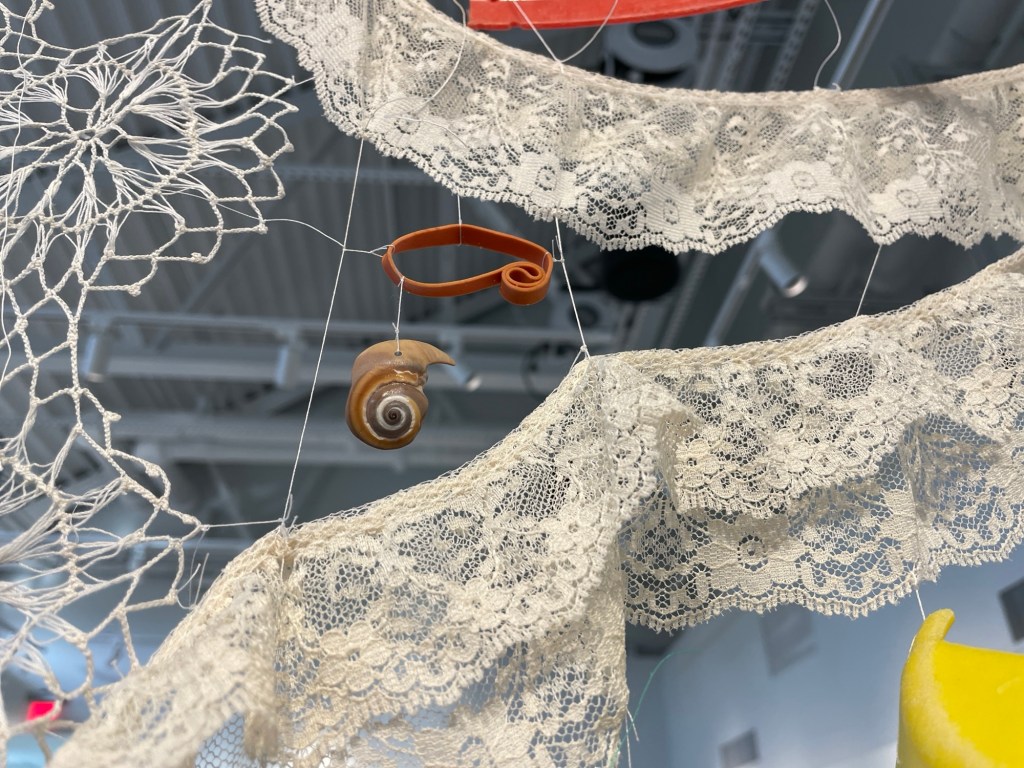
The Japanese concept of wabi-sabi is the acceptance of impermanence and imperfection as an inevitable part of our world. Unlike the Western preference for orderliness and symmetry, wabi-sabi values incompleteness and imperfection, delighting in the irregularities and inconsistencies of the human hand, rather than striving for perfection.
I have always gravitated instinctively toward the weathered and broken, wandering flea markets, scouring yard sales, and diving in dumpsters for worn objects that tell their stories through texture earned over years of use. I search for the beautifully flawed, the arrestingly wonky, and often prefer the intrigue of an inscrutable object, its original purpose unknown, which invites imaginative conjecturing. These treasured ‘finds’ become the inspiration for an artistic response – a repair, an embellishment, a transformation.
Like mending an old pair of jeans, the acts of stitching, knotting, wrapping, and layering with slow, methodical attention offer an opportunity for reflection and meditation. As in kintsugi, a Japanese tradition where broken ceramic bowls or pots are glued back together with golden lacquer in order to accentuate the beauty of their resurrection, visible mending highlights the life of the damaged object, rather than hiding it. Philosopher Alain De Botton writes that the “care and love expended on the shattered pots should lend us the confidence to respect what is damaged and scarred, vulnerable and imperfect—starting with ourselves and those around us.” As I age, the more these ideas appeal. I am simultaneously striving to embrace the impermanence of the world, to celebrate the fragile and ephemeral, while desperately holding on — making art that seeks to capture these fleeting moments.
In my practice I also tap into the uncanny, by combining recognizable objects with the unreal or imagined. I attempt to suggest that something is happening here that is beyond our awareness, to create a space in which the everyday and the sacred coalesce. Concerns range in scale from intimate to global – mending torn blue jeans, the aging body, the spirit, the ravaged planet – from the manageable and pedestrian, executed with small gestures, to the unknowable, tackled with collaboration. At its core, the creating is a physical way for me to remedy and make sense and order out of living, to respond to constant change, to heal all that needs attention, including myself. My process taps equal parts thoughtful planning, playful intuition with materials, and trust in magic.
“The things that I loved were very frail. Very fragile. I didn’t know that. I thought they were indestructible. They weren’t.” + Cormac McArthy
“We all are men, in our own natures frail, and capable of our flesh; few are angels.”
+ William Shakespeare, Henry VIII
“The breath of wind that moved them was still chilly on this day in May; the flowers gently resisted, curling up with a kind of trembling grace and turning their pale stamens towards the ground. The sun shone through them, revealing a pattern of interlacing, delicate blue veins, visible through the opaque petals; this added something alive to the flower’s fragility, to it’s ethereal quality, something almost human ,in the way that human can mean frailty and endurance both at the same time. The wind could ruffle these ravishing creations but it couldn’t destroy them, or even crush them; they swayed there, dreamily; they seemed ready to fall but held fast to their slim strong branches-…”
+ Irène Némirovsky
“They are so frail humans. So easily crumpled and broken, like flower petals under foot.”
+ Jennifer Hudock, The Goblin Market
 catherinewatkins.com